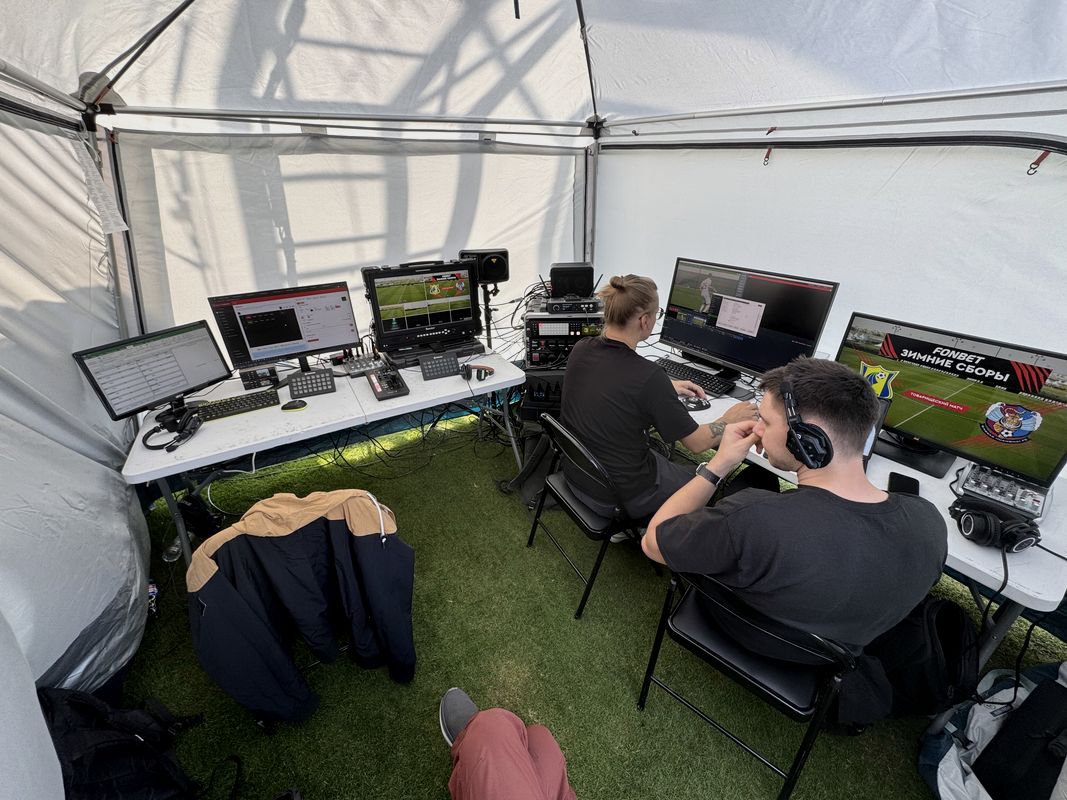
Multi-platform live streaming with redundant connectivity and broadcast-grade encoding.
DWTC hosts GITEX Global and Gulfood, requiring enterprise-grade streaming to reach international buyers who cannot attend in person. The venue features built-in fiber connectivity to Dubai Media City and dedicated broadcast compound space for production trucks. Its Sheikh Saeed Halls and Za'abeel Halls offer multiple simultaneous streaming environments for complex multi-track conferences.
Purpose-designed for hybrid experiences, Expo City retains the digital infrastructure from World Expo 2020 including 5G coverage across all pavilions and the Al Wasl Plaza dome as a spectacular streaming backdrop. The venue's Sustainability Pavilion and Mobility Pavilion offer unique architectural settings for branded content streams. Direct metro connectivity and on-site production offices simplify crew logistics for international broadcast teams.
This resort complex combines Arabian heritage architecture with modern conference facilities, ideal for luxury brand streams and executive summits. The Madinat Arena and multiple waterfront ballrooms provide diverse aesthetic options without leaving the property. Dedicated marina access enables floating camera platforms for distinctive outdoor streaming setups along the waterways.
The dhow-shaped performing arts center demands broadcast solutions that capture acoustic excellence alongside visual spectacle for arts and cultural streaming. Its intimate 2,000-seat configuration suits premium ticketed livestreams with controlled lighting environments. The venue's proximity to Downtown Dubai allows for iconic skyline backdrops in pre-show and intermission content.
As Dubai's largest indoor arena, this venue specializes in high-energy entertainment streaming with capacity for 17,000 spectators and broadcast-ready infrastructure for concerts and esports. The fully rigged ceiling and 360-degree seating configuration challenge streaming teams to deliver immersive multi-angle experiences. Located at City Walk, it offers excellent 4G/5G saturation and multiple ISP entry points for redundant connectivity.
Dubai's GMT+4 position enables same-day live streaming to European afternoon audiences, Asian evening viewers, and North American morning markets without requiring overnight production shifts. This temporal sweet spot maximizes live engagement across three continents for global product launches and financial announcements. Major events like Arab Health rely on this window to synchronize with European and Asian trading hours.
Dubai's Smart City initiative mandates universal high-speed connectivity, with venues required to maintain multiple ISP pathways as standard. The Dubai Electronic Security Center provides rapid broadcast frequency licensing and cybersecurity certification for live streams. This regulatory environment reduces technical risk and accelerates deployment timelines compared to other regional markets.
Dubai Production City and Dubai Studio City host over 2,500 media companies, ensuring immediate access to Arabic-speaking directors, real-time graphics operators, and 4K broadcast equipment. Local crew familiarity with Islamic cultural protocols ensures appropriate content handling for religious and government streams. The concentration of expertise eliminates the cost and complexity of importing entire production teams for regional events.
During the holy month, live streaming schedules must accommodate Iftar breaking of fast, with evening events typically commencing after 8:30 PM. Audience engagement patterns shift dramatically, with late-night streams often outperforming traditional primetime slots in Dubai and Saudi Arabia. Production catering and crew shift planning require adjustment to respect fasting team members while maintaining broadcast quality.
May through September outdoor streaming requires equipment rated for 45°C+ ambient temperatures and humidity protection for camera systems. Venue loading dock scheduling should prioritize early morning equipment delivery to avoid midday heat exposure for crew and gear. Indoor venues like DWTC and Coca-Cola Arena become preferable for summer productions due to climate-controlled broadcast compound facilities.
The Telecommunications and Digital Government Regulatory Authority requires advance registration of all wireless microphone, intercom, and camera transmission frequencies to prevent interference at major venues. DWTC and Expo City maintain venue-specific frequency maps that streamline this process for returning production companies. Engaging a local frequency coordinator is essential for complex multi-venue events like GITEX that saturate available spectrum.